

The complete guide
Master the Art of DIY Brick Paving: Your Complete Guide to Brick Paver Molds and Professional Results
Master the Art of DIY Brick Paving: Your Complete Guide to Brick Paver Molds and Professional Results
Have you ever admired those gorgeous brick pathways and patios that seem to whisper stories of European courtyards and English gardens? What if I told you that creating that same timeless charm in your own backyard doesn't require a mason's apprenticeship or a contractor's budget? Welcome to the revolutionary world of brick paver molds, your ticket to transforming ordinary concrete into extraordinary brick-like masterpieces that fool even the most discerning eye.
Think of a brick paver mold as your personal time machine, capable of recreating centuries-old craftsmanship with modern convenience and precision. But here's the secret that separates stunning results from obviously homemade attempts: understanding these tools isn't just about filling a mold with concrete and hoping for magic. It's about mastering the delicate dance between traditional aesthetics and contemporary innovation to create surfaces that capture the soul of authentic brick work while delivering the durability and customization that only concrete can provide.
Whether you're dreaming of a charming garden pathway, an elegant patio for entertaining, or a grand driveway entrance that makes neighbors stop and stare, brick paver molds offer unlimited creative potential wrapped in accessible technology. Let's embark on this journey together and discover how these remarkable tools can transform your outdoor vision into reality.
Understanding the Foundation: What Makes Brick Paver Molds Special?
The Science Behind Authentic Brick Replication
Creating convincing brick replicas requires more than just rectangular shapes and red coloring. Authentic brick carries subtle imperfections, weathering patterns, and dimensional variations that speak to centuries of human craftsmanship. Quality brick paver molds capture these nuanced details through sophisticated design and precision manufacturing that goes far beyond simple geometric forms.
The surface texture of genuine brick results from firing processes that create unique patterns of smoothness and roughness across each unit. Modern paving brick moulds replicate these textures through carefully engineered surface treatments that reproduce the random variations found in traditional brick manufacturing. This attention to textural detail separates convincing replicas from obviously artificial alternatives.
Dimensional authenticity requires understanding how real bricks vary slightly in size, thickness, and edge characteristics. Traditional brick manufacturing processes create natural variations that add visual interest and authentic character. Quality molds incorporate subtle variations that mimic these natural irregularities while maintaining the consistency needed for successful installation.
Color integration poses unique challenges because authentic brick develops its character through mineral composition and firing temperatures that create subtle color variations within individual units. The best results come from understanding how to reproduce these color patterns through concrete coloring techniques that layer different tones and intensities throughout each paver.
Material Engineering for Long-lasting Performance
The plastic used in interlocking brick plastic moulds undergoes sophisticated engineering to balance flexibility, durability, and detail reproduction in ways that serve both casual users and professional contractors. This material science represents decades of development focused on optimizing performance characteristics for concrete molding applications.
Flexibility enables easy demolding of complex shapes without damaging delicate details or requiring excessive force that could break the mold or damage fresh concrete. However, excessive flexibility can cause dimensional distortion under concrete pressure, leading to pavers that don't fit together properly or maintain consistent appearance.
Durability characteristics determine how many successful molding cycles a mold can complete before showing wear that affects paver quality. The alkaline nature of concrete gradually attacks inferior plastics, causing surface degradation that compromises detail reproduction and eventually leads to mold failure.
Chemical resistance becomes particularly important when working with colored concrete or specialty admixtures that might interact with mold materials. Quality plastics resist chemical attack while maintaining their physical properties throughout extended exposure to various concrete formulations.
Temperature stability ensures consistent performance across varying environmental conditions. Plastic properties change with temperature, affecting both flexibility and dimensional stability. Quality molds maintain their performance characteristics across the temperature ranges typically encountered during concrete work.
Exploring Different Types of Paving Brick Moulds
Traditional Rectangular Brick Patterns
Traditional rectangular patterns represent the foundation of brick paver design, offering timeless appeal that complements virtually any architectural style or landscape theme. These patterns provide the visual familiarity that makes brick paving so universally appealing while offering practical advantages for installation and maintenance.
Running bond patterns, where each brick overlaps the joint between bricks in adjacent courses, create the classic appearance most people associate with traditional brick work. This pattern provides structural stability while creating pleasing visual rhythm that guides the eye naturally across paved surfaces.
Stack bond patterns align bricks in continuous grid patterns that create more formal, geometric appearances. While less traditional than running bonds, stack patterns work exceptionally well in contemporary settings where clean lines and geometric precision complement modern architecture.
Basket weave patterns alternate the orientation of pairs of bricks to create woven appearances that add textural interest while maintaining classical appeal. These patterns require careful planning and execution but create distinctive surfaces that stand out from standard brick installations.
Interlocking and Specialized Designs
Interlocking brick plastic moulds represent advanced design concepts that optimize both aesthetic appeal and structural performance through shapes that fit together like puzzle pieces. These designs distribute loads more effectively than simple rectangular shapes while creating unique visual patterns.
Herringbone patterns arrange rectangular bricks in zigzag configurations that create dynamic visual movement while providing exceptional structural stability. The interlocking nature of herringbone patterns makes them ideal for high-traffic applications like driveways and commercial walkways.
L-shaped and specialty interlocking designs create unique patterns that distinguish projects from conventional brick work. These specialized shapes require precise manufacturing tolerances but enable pattern combinations that would be impossible with traditional rectangular bricks.
Multi-size systems combine different brick sizes within coordinated pattern schemes that create complex visual textures while maintaining installation simplicity. These systems often include border pieces, corners, and specialty shapes that enable complete paving solutions.
Decorative and Artistic Variations
Modern brick paver mold technology enables decorative variations that push traditional brick aesthetics into new creative territories. These variations maintain the essential character of brick paving while incorporating contemporary design elements that reflect current aesthetic preferences.
Textured surface treatments add tactile and visual interest through patterns that simulate aged brick, weathered surfaces, or artistic interpretations of traditional manufacturing techniques. These treatments can transform ordinary brick patterns into distinctive design statements.
Integrated pattern elements might include decorative borders, accent strips, or focal point pieces that create visual interest within larger brick installations. These elements require careful design integration but can transform simple paving into sophisticated landscape features.
Custom color integration techniques enable brick effects that transcend traditional red clay colors. Modern concrete coloring technology supports earth tones, contemporary grays, or even bold artistic colors that maintain brick character while reflecting personal design preferences.
The Top 10 Benefits of Using Brick Paver Molds for Your Project
Creating your own brick pavers using molds offers numerous advantages that extend far beyond simple cost savings. Understanding these benefits helps you appreciate why DIY brick paver production has become increasingly popular among homeowners and contractors alike.
1. Unlimited Design Customization
Unlike purchasing pre-made pavers, molds give you complete control over color, texture, and size variations. You can create unique combinations that perfectly match your vision and complement existing landscape elements in ways that mass-produced pavers simply cannot achieve.
2. Significant Cost Savings
Producing your own pavers eliminates markup costs associated with manufactured products while reducing transportation expenses. The material cost for concrete pavers represents a fraction of retail paver costs, making large projects financially feasible.
3. Perfect Color Matching
Replacing damaged pavers or expanding existing installations becomes simple when you control the production process. You can recreate exact color matches that would be impossible to achieve with purchased pavers from different production batches.
4. Flexible Production Scheduling
Work proceeds on your timeline without depending on delivery schedules or supplier availability. Weekend production fits naturally into busy schedules while providing satisfying hands-on work that many people find therapeutic and rewarding.
5. Quality Control Assurance
Direct oversight of the production process ensures consistent quality standards that meet your specific requirements. You control every aspect from concrete mixing to curing conditions, guaranteeing results that meet your expectations.
6. Environmental Benefits
Local production reduces transportation impacts while enabling use of regional materials that support local economies. Concrete ingredients are typically available locally, making mold-based production an inherently sustainable approach.
7. Skill Development and Satisfaction
Learning concrete work and mold techniques provides valuable skills while delivering personal satisfaction that exceeds simple cost considerations. Many people discover genuine enjoyment in the creative and technical aspects of paver production.
8. Project Scalability
Start with small test batches to perfect techniques before committing to large installations. This scalability enables confidence building while ensuring successful results when you tackle major projects.
9. Repair and Maintenance Advantages
Future maintenance becomes simplified when you possess the tools and knowledge to produce replacement pavers. Minor damage can be addressed quickly without waiting for special orders or searching for matching materials.
10. Investment Value Creation
Quality paver installations typically return significant portions of their investment through increased property values. DIY production maximizes this return by minimizing initial investment while achieving professional-quality results.
Mastering Concrete Mix Design for Brick Paver Molds
Understanding Concrete Components for Paver Work
Creating exceptional brick pavers requires concrete mixtures optimized specifically for mold work rather than general construction applications. Each component plays critical roles that affect workability, strength, appearance, and long-term durability of finished pavers.
Cement selection significantly impacts both performance and aesthetic characteristics. Different cement types offer varying color properties, strength development rates, and chemical compatibility with coloring agents. Portland cement remains the standard choice, but specialty cements can provide unique benefits for specific applications.
Aggregate selection affects both structural performance and surface appearance. Sand provides workability and surface smoothness, while larger aggregates contribute strength and bulk. The color, shape, and size distribution of aggregates all influence final paver characteristics.
Water quality and quantity critically affect final paver quality. Clean water free from impurities ensures proper cement hydration, while precise water-to-cement ratios optimize both workability and final strength. Too much water weakens pavers, while insufficient water prevents proper hydration.
Admixtures modify concrete properties in specific ways that enhance mold work success. Plasticizers improve workability without adding extra water, while air entraining agents enhance freeze-thaw resistance. Color additives must be compatible with other mixture components while providing fade-resistant coloration.
Optimizing Mix Proportions for Mold Success
Successful mold work requires concrete mixtures that balance multiple performance requirements simultaneously. Workability must enable complete mold filling without excessive vibration, while final strength must support intended applications and traffic loads.
Water-to-cement ratios for paver work typically fall between 0.35 and 0.45, significantly lower than general construction applications. This reduced water content maximizes strength and surface density while requiring careful attention to workability through proper aggregate selection and potential plasticizer use.
Aggregate gradation becomes particularly important when reproducing fine surface textures characteristic of authentic brick. Overly coarse aggregates may not reproduce fine details accurately, while excessively fine mixtures may lack the strength and durability expected from concrete pavers.
Fiber reinforcement offers significant benefits for molded pavers by reducing shrinkage cracking and improving impact resistance. Synthetic fibers distribute throughout the mixture and provide multi-directional reinforcement that enhances durability without affecting mold release characteristics.
Achieving Authentic Brick Colors
Color consistency represents one of the most challenging aspects of brick paver production because authentic brick exhibits subtle color variations that add visual interest and character. Reproducing these variations requires understanding both coloring techniques and how concrete chemistry affects color development.
Integral coloring provides the most durable and consistent results because color extends throughout the paver thickness rather than just surface treatments. However, achieving deep, rich colors often requires significant pigment quantities that can affect concrete strength and workability.
Iron oxide pigments represent the most reliable coloring agents for concrete work because they resist fading and provide consistent colors that remain stable throughout the paver's service life. These pigments are available in earth tone colors that closely match traditional brick colors.
Layered coloring techniques can create the subtle color variations found in authentic brick by using different pigment concentrations in base and surface layers. This approach requires careful timing and execution but can produce remarkably convincing brick replicas.
Professional Installation Techniques and Best Practices
Site Preparation for Long-term Success
Proper site preparation creates the foundation for successful brick paver installations while preventing common problems that can compromise both appearance and longevity. The precision and consistency possible with molded pavers demands equally careful attention to base preparation and installation procedures.
Excavation depth must accommodate both base materials and paver thickness while ensuring proper drainage and final grade relationships. Inadequate excavation creates drainage problems, while excessive excavation wastes materials and may compromise structural stability.
Base material selection and preparation significantly affect long-term performance and appearance retention. Proper base materials provide stable support while enabling drainage that prevents frost damage and base movement that can cause paver displacement.
Compaction procedures ensure base stability while creating uniform support conditions across the entire installation area. Inadequate compaction allows settlement that creates uneven surfaces, while excessive compaction can create overly rigid conditions that don't accommodate normal movement.
Edge restraint systems prevent paver movement and maintain installation integrity throughout service life. Quality edge restraints must be strong enough to resist outward pressure while remaining invisible after installation completion.
Layout and Pattern Implementation
Successful pattern implementation requires systematic layout procedures that ensure visual continuity and proper fit throughout entire installations. The precision possible with quality paving brick moulds enables complex patterns that require careful planning and execution.
Reference line establishment provides the geometric framework for pattern installation while accommodating site conditions and design requirements. These reference lines must account for pattern repeat distances and ensure proper alignment with architectural features and site boundaries.
Pattern centering techniques ensure balanced appearances while minimizing cut pieces at installation edges. Proper centering creates professional appearances while optimizing material usage and installation efficiency.
Joint spacing consistency affects both appearance and structural performance. Consistent joints create clean pattern definition while ensuring proper interlocking and load distribution throughout the installation.
Quality Control During Installation
Systematic quality control procedures during installation identify potential problems before they affect large areas or require costly corrections. The precision achievable with molded pavers makes quality control both more important and more achievable than with irregular natural materials.
Level verification ensures uniform surface conditions while preventing drainage problems and appearance issues. Regular level checking throughout installation prevents accumulated errors that can create major problems requiring extensive correction.
Pattern alignment monitoring ensures visual continuity while maintaining proper joint relationships throughout the installation. Small alignment errors can accumulate across large installations, creating visual distortions that compromise aesthetic success.
Joint consistency verification ensures uniform appearance while maintaining structural performance. Inconsistent joints create visual distraction while potentially compromising load distribution and installation stability.
Troubleshooting Common Issues with Interlocking Brick Plastic Moulds
Demolding Problems and Solutions
Successful demolding requires understanding the relationship between concrete curing, mold design, and release techniques. Problems during demolding can damage both pavers and molds while creating delays and frustration that compromise project success.
Timing represents the most critical factor in successful demolding. Too early demolding risks damaging soft concrete, while delayed demolding can cause chemical bonding between concrete and mold surfaces that makes removal difficult or impossible.
Release agent application significantly affects demolding success and paver surface quality. Proper release agents create barrier films that prevent concrete adhesion while enabling smooth paver surfaces. Inadequate release agent application causes sticking problems, while excessive application can affect surface appearance.
Temperature effects during curing influence both concrete strength development and mold flexibility. Cold conditions slow strength development and may make molds less flexible, while hot conditions accelerate curing but may cause thermal stresses that affect demolding.
Mold maintenance affects demolding performance and overall mold longevity. Clean molds with smooth surfaces release more easily than dirty or damaged molds that may have surface irregularities causing adhesion problems.
Surface Quality Issues
Surface defects in molded pavers can compromise both appearance and performance while requiring time-consuming correction or rejection of affected units. Understanding common surface problems and their prevention enables consistent production of high-quality pavers.
Air bubbles create surface voids that compromise appearance and may provide entry points for water and contaminants. Prevention involves proper mixing techniques, adequate vibration, and mold design features that promote air release during filling.
Color streaking results from inadequate mixing or segregation during placement and curing. Systematic mixing procedures and proper handling techniques prevent most color problems while ensuring consistent appearance across production batches.
Surface scaling occurs when weak surface layers spall off during use or weathering. This problem typically results from excessive water content, poor curing conditions, or surface contamination during production.
Edge damage during demolding or handling creates chips and cracks that compromise both appearance and durability. Proper demolding techniques and careful handling procedures prevent most edge damage while ensuring consistent quality.
Dimensional Accuracy Problems
Maintaining consistent dimensions across multiple pavers requires understanding how various factors affect final paver size and shape. Dimensional variations can create installation problems while compromising pattern accuracy and visual success.
Shrinkage during curing causes predictable dimensional changes that must be accommodated in mold design and installation planning. Understanding shrinkage characteristics enables compensation that ensures proper fit during installation.
Temperature effects during curing can cause differential expansion or contraction that affects final dimensions. Controlled curing conditions minimize temperature-related dimensional variations while ensuring consistent quality.
Mold wear gradually affects dimensional accuracy as repeated use causes surface changes that alter mold geometry. Regular inspection and maintenance preserve dimensional accuracy while identifying when mold replacement becomes necessary.
Concrete mixture variations can affect shrinkage characteristics and final dimensions. Consistent mixing procedures and quality control ensure uniform mixture properties that produce dimensionally consistent pavers.
Advanced Techniques for Professional Results
Creating Authentic Weathering Effects
Authentic brick develops character through weathering processes that create subtle color variations, surface textures, and edge wear patterns. Reproducing these weathering effects in new pavers requires understanding natural processes and developing techniques that simulate years of exposure.
Acid washing techniques can create subtle color variations that simulate natural weathering without compromising structural integrity. These treatments must be applied carefully to avoid damage while achieving desired aesthetic effects.
Surface texturing using specialized tools or abrasives can simulate wear patterns that develop naturally over time. These techniques require skill and restraint to avoid obvious artificial appearances while creating convincing weathering effects.
Color layering during production enables subtle variations that emerge as surface layers wear naturally. This approach requires careful planning and execution but creates pavers that develop authentic character over time.
Custom Pattern Development
Creating unique patterns requires understanding basic design principles while incorporating creative elements that reflect specific aesthetic goals. Custom patterns enable distinctive installations that stand out from standard applications while maintaining the essential character of brick paving.
Scale relationships between individual pavers and overall pattern affect visual impact and installation practicality. Proper scale ensures patterns read clearly at typical viewing distances while maintaining detail that rewards closer examination.
Color integration within custom patterns can enhance pattern definition while creating visual interest. Strategic color placement guides the eye and creates focal points while maintaining overall pattern coherence.
Transition design between different patterns or materials requires careful attention to maintain visual continuity while accommodating different dimensional characteristics. Quality transitions enhance overall design while preventing visual disruption.
Production Efficiency Optimization
Efficient production techniques maximize output while maintaining quality standards that ensure consistent results. Understanding these techniques enables cost-effective production that supports both personal projects and potential business opportunities.
Batch processing optimizes concrete mixing and mold utilization while maintaining consistency across large production runs. Systematic approaches prevent variations that can disrupt pattern continuity and aesthetic success.
Workflow organization reduces handling and minimizes production time while ensuring quality control throughout the process. Proper organization prevents contamination and damage while maximizing productivity.
Quality control systems identify problems early while implementing corrective actions that prevent waste and ensure consistent output. Systematic monitoring prevents minor issues from becoming major problems affecting large quantities of pavers.
Maintenance and Longevity for Your Brick Paver Investment
Protecting Your Investment Through Proper Care
Quality brick paver installations represent significant investments that deserve proper care and maintenance to preserve both appearance and performance throughout their service lives. Understanding maintenance requirements and implementing systematic care procedures ensures maximum return on investment.
Regular cleaning removes surface contaminants that can cause staining or support biological growth that compromises appearance. Proper cleaning techniques preserve surface integrity while removing harmful deposits and maintaining attractive appearance.
Sealing applications protect against staining while enhancing color depth and surface appearance. Quality sealers penetrate paver surfaces to provide protection without creating artificial appearances that detract from authentic brick character.
Joint maintenance preserves installation integrity while preventing weed growth and insect infiltration. Regular joint cleaning and periodic re-sanding maintain proper joint function while preserving pattern definition.
Seasonal Care and Weather Protection
Different seasons present unique challenges that require adaptive maintenance approaches to preserve paver condition and appearance. Understanding seasonal requirements enables proactive care that prevents problems while maintaining optimal performance.
Winter protection strategies prevent freeze-thaw damage while maintaining safe walking surfaces. Proper drainage and appropriate de-icing materials protect pavers while ensuring user safety during adverse weather conditions.
Summer maintenance addresses heat effects and UV exposure that can affect sealers and joint materials. Regular inspection and maintenance preserve protective treatments while addressing any developing problems.
Spring and fall maintenance schedules address accumulated debris and prepare installations for seasonal changes. Systematic care prevents minor problems from becoming major issues requiring expensive remediation.
Long-term Performance Optimization
Understanding how brick paver installations age and develop enables maintenance strategies that preserve and enhance performance throughout extended service lives. Proactive approaches prevent problems while maintaining investment value.
Structural monitoring identifies settlement or movement that could affect installation integrity. Early detection enables corrective action before problems become expensive or difficult to address.
Surface restoration techniques can refresh aged installations while preserving their established character. Proper restoration maintains authentic appearance while extending service life and performance.
Upgrade opportunities enable installation improvements that enhance both function and appearance. Strategic upgrades can transform existing installations while preserving the majority of original investment.
Economic Analysis: Investment and Return Considerations
Initial Investment and Cost-Benefit Analysis
Understanding the complete economic picture of brick paver mold systems requires comprehensive analysis that considers initial investment, ongoing costs, and long-term value creation. This analysis reveals why many property owners choose mold systems over traditional alternatives.
Equipment costs for quality mold systems represent minimal investment compared to professional installation or premium manufactured pavers. The cost per paver decreases dramatically with mold systems, making large projects financially feasible.
Material costs remain consistently low because concrete ingredients are widely available and competitively priced. Bulk purchasing further reduces costs while ensuring adequate materials for project completion.
Labor considerations favor mold systems because production occurs on convenient schedules without external dependencies. Weekend production fits naturally into busy lifestyles while providing satisfying hands-on work.
Time investment includes learning curves that provide valuable skills while enabling future projects. Initial time investment pays dividends through accumulated expertise and capabilities.
Property Value Enhancement
Quality brick paver installations significantly enhance property values while providing immediate functional and aesthetic benefits. Understanding value creation helps justify investment decisions while optimizing design choices for maximum impact.
Curb appeal improvement creates immediate visual impact that enhances property perception and marketability. Quality installations often return significant portions of investment through increased property values.
Functional enhancement through expanded outdoor living spaces adds usable area that increases property utility and enjoyment. These functional improvements often provide value that exceeds monetary considerations.
Market differentiation through unique installations distinguishes properties while appealing to buyers seeking distinctive features. Custom installations created with molds provide uniqueness that manufactured products cannot match.
Conclusion
The journey into the world of brick paver molds opens up possibilities that extend far beyond simple cost savings or weekend projects. These remarkable tools represent your gateway to mastering an ancient craft using modern innovation, creating outdoor spaces that carry the timeless appeal of traditional brick work while delivering the durability and customization that only contemporary concrete technology can provide.
What makes this journey truly special isn't just the stunning results you'll achieve, though those installations that make neighbors stop and admire certainly provide their own satisfaction. It's the personal growth that comes from learning new skills, understanding materials and techniques, and developing the confidence that comes from creating something beautiful and functional with your own hands. Every paver you produce carries your personal touch, making your outdoor space a genuine reflection of your creativity and craftsmanship.
The path from concrete mixture to finished brick paver installation requires patience, attention to detail, and a willingness to learn from each batch and every project. But the rewards extend far beyond the immediate results. You're not just creating pavers; you're developing expertise that serves you for life, building confidence that applies to countless future projects, and establishing the foundation for outdoor transformations that grow more ambitious and impressive with each success.
Remember, every master craftsperson started with their first mold and their first batch of concrete. Your outdoor transformation story begins with choosing quality tools, understanding proper techniques, and embracing both the art and science of brick paver creation. Make every mold count, learn from each pour, and don't hesitate to push creative boundaries. The most memorable outdoor spaces often emerge from the boldest visions, brought to life one carefully crafted paver at a time
Can you use the moulds to make circles, gentle curves, etc. ?
Yes you can....if you do some pre-work first and lay out the borders with bricks this will give you a visual to work within.
You could also dig small trenches where the border bricks were and fill in the space with small landscape pebble to keep the border.
How much concrete does it take to fill one mould?
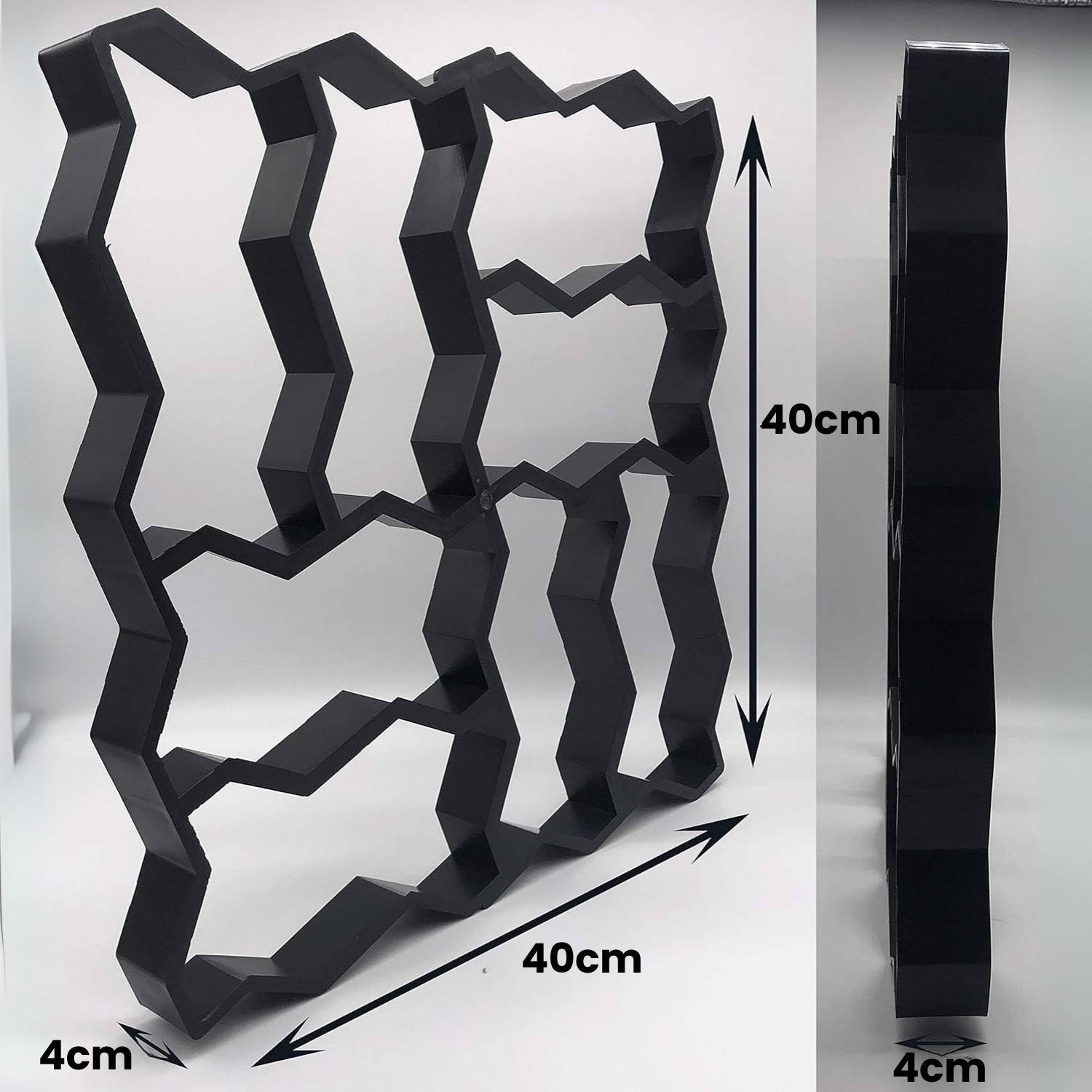
About 13.8 pounds concrete (3.45 lb. cement + 10.35 lb. sand).
How long does the concrete have to set before removing the mould to do another?
That would depend on the type of concrete you purchase and how you mix it. Generally speaking you can move the mold after about 2 - 3 minutes to the next stamp area.
Can you do a driveway with this? Wondering if the weight of vehicles could easily shift or crack the concrete after awhile?
Yes you could.
With that said these moulds are more for landscaping or stepping stones.
What do you use for the fill in the gaps with?
You can fill the gaps with soil and then put some grass on it. Sand and small gravel is another alternative.
Can the moulds be rotated so that the pattern is less uniform?
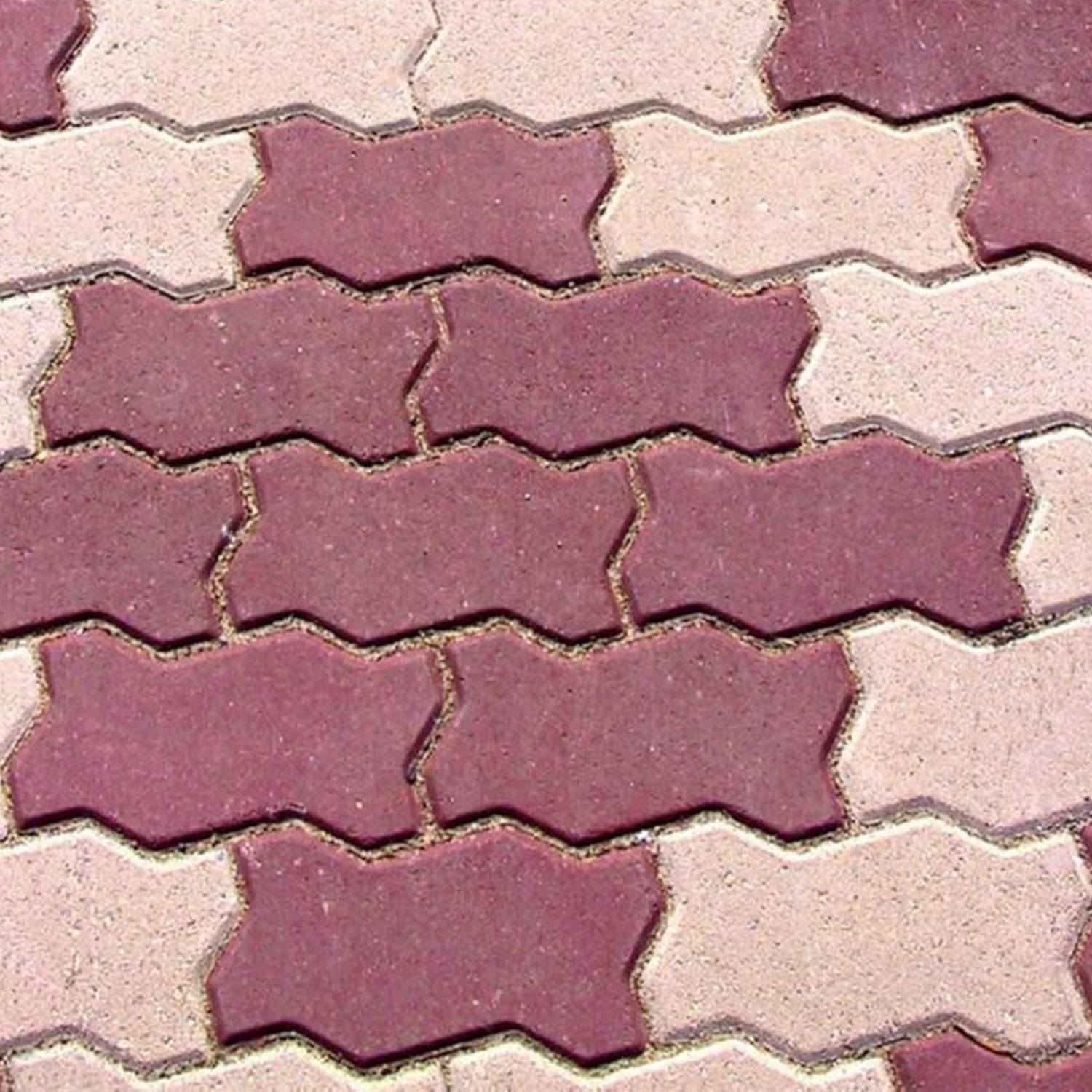
Yes, you can rotate this mould to create your own unique patterns.
If you like the random style, you can make the pattern not uniform.
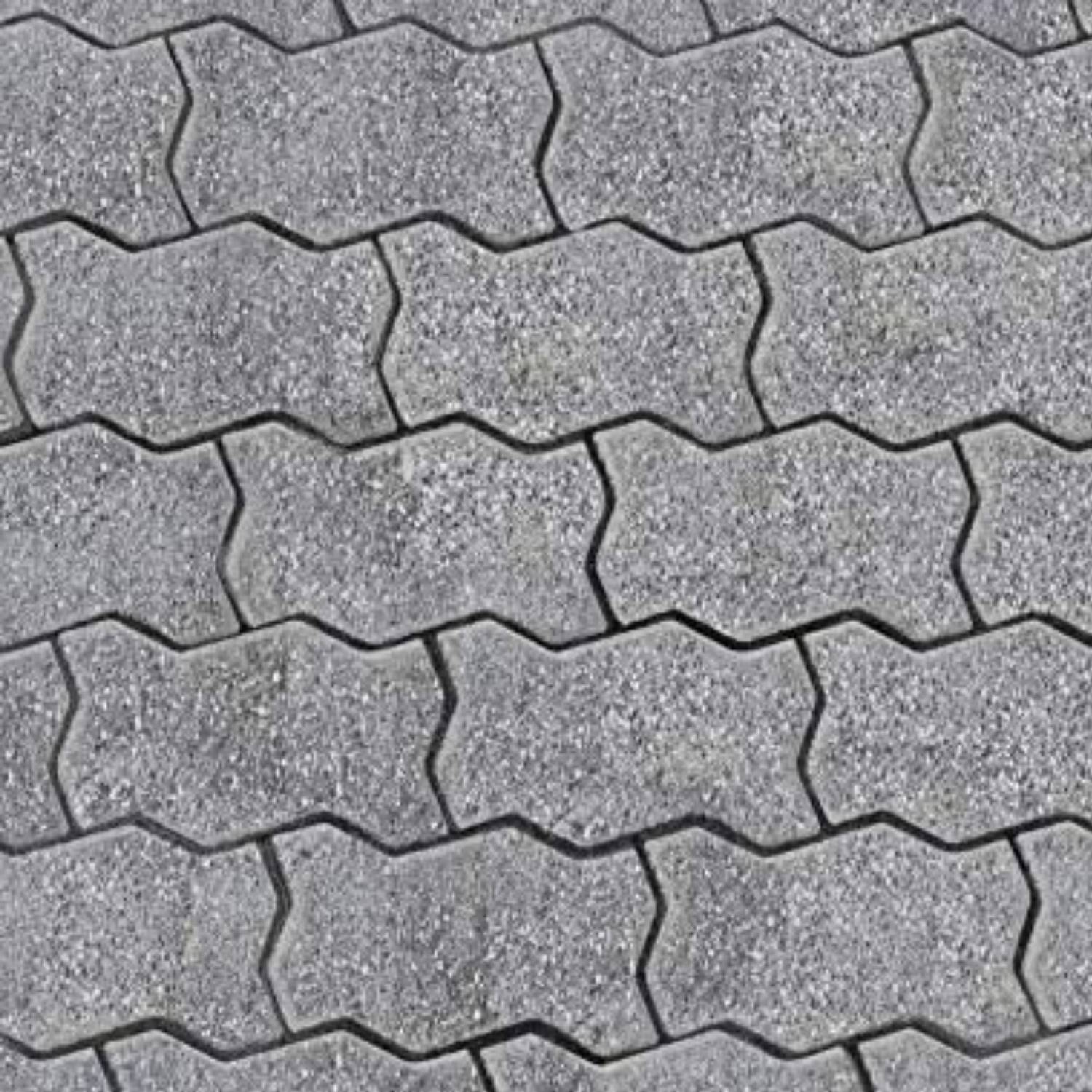
If you like the uniform style, you can also create a uniformed pattern with it.
What do you mean by irregular shape?
The irregular shape mould simply means the pattern of this mould is random, and the shape of it is not square
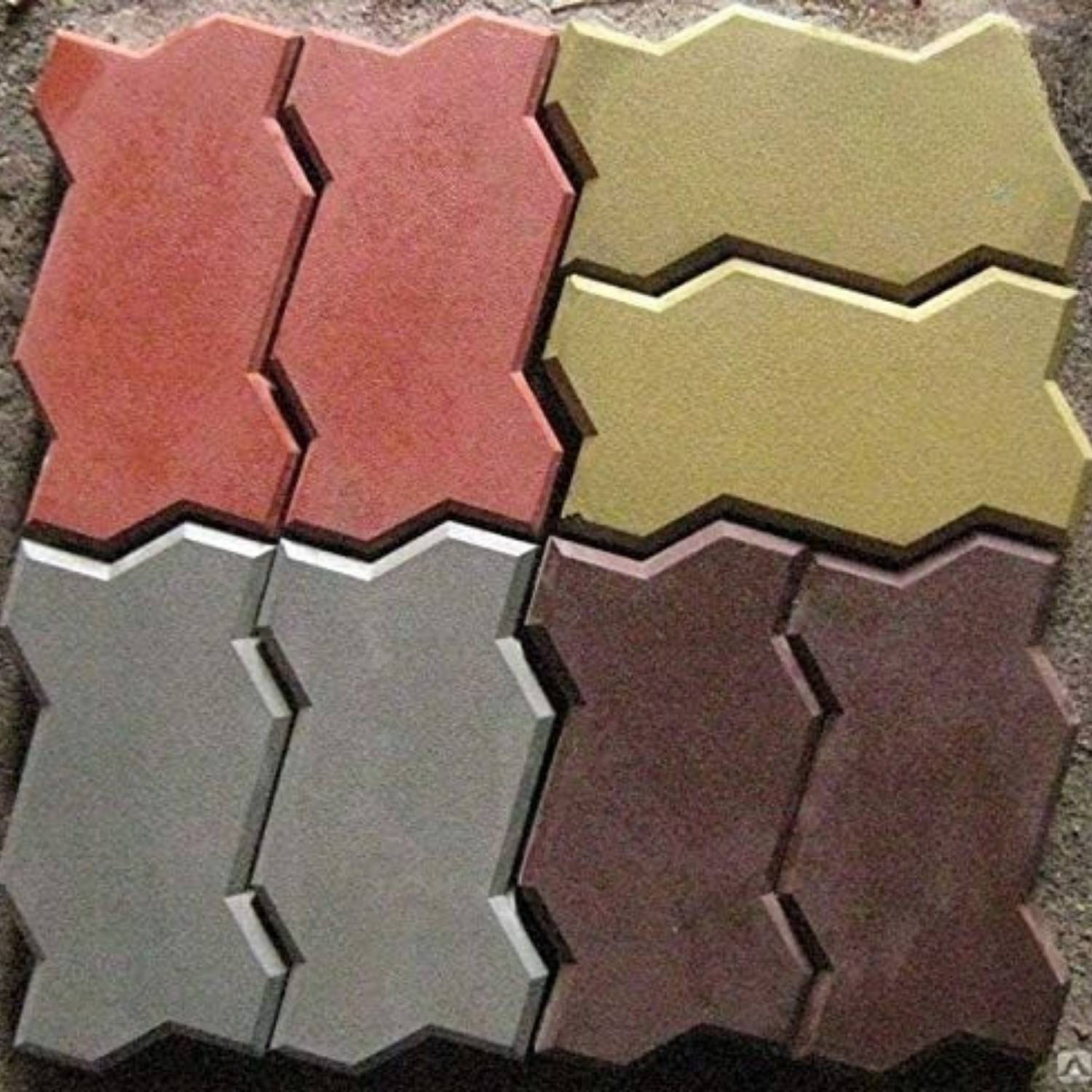
How would you color these if you wanted each different shape a different color? Sand? concrete pigment?
There are many ways you can change the color of the concrete. Here is a few ideas.
Pigment: you will have to mix the pigment with the concrete that means if you want different colors in each stone you will need multiple mixing buckets. You will need to be very patient with this process because when you screed it you will end up mixing the colors together.
Dye: this is an application that can be painted or sprayed on. You will more than likely need to seal it which can make the concrete mildly slippery when wet.
Paint: oil based paint is also an option you would not want to use latex because it will peel. Oil based paint come in quarts gallons as well as inside a spray can probably not going to be the long lasting result you're looking for but it should hold up for 2 to 3 Seasons.